

WASHINGTON DC, April 24 (IPS) - About 132 wars are happening in the world today, displacing 200 million people. 80 percent of these conflicts are happening in sensitive biodiversity areas where Indigenous Peoples live.
Read the full story, “Why Indigenous Peacebuilding Matters in Today’s World”, on globalissues.org →

CIVICUS discusses Gen Z-led protests in Nepal with Abhijeet Adhikari (Abhi), a lawyer and political activist who took part in the protests.


SEATTLE. USA, April 23 (IPS) - After Donald Trump’s second election as president in November 2024, he said coyly that he wanted to be a dictator … but just for a day. On his first day in office, his sharpie signed an impressive pile of presidential orders, many of dubious legality. The next day he continued to govern like a DIY duce. He has not stopped since.
Read the full story, “No Kings? Meet King Don and King John – Part 1 of 3”, on globalissues.org →

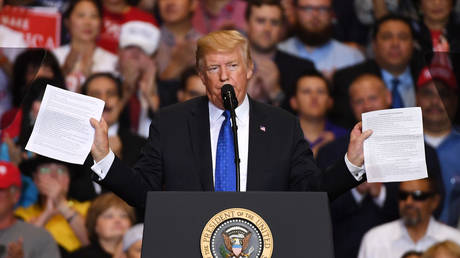 The White House is reportedly weighing rewards for “model allies” and punishments for those who refused to back the Iran war
 Read Full Article at RT.com

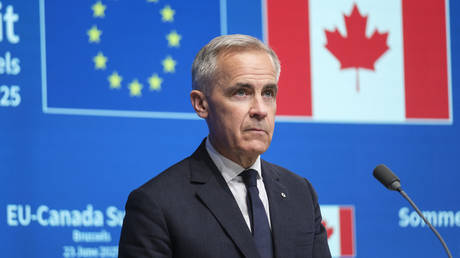 Almost 60% say they would like to become part of the bloc – seemingly eager to give up their independence
 Read Full Article at RT.com

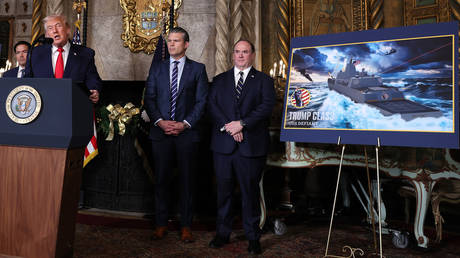 US Navy Secretary John C. Phelan has left the administration effective immediately, with no reason given for the abrupt move
 Read Full Article at RT.com

 Ukrainian draft enforcers have pepper-sprayed a woman who attempted to rescue an unwilling recruit in Odessa, according to reports
 Read Full Article at RT.com