
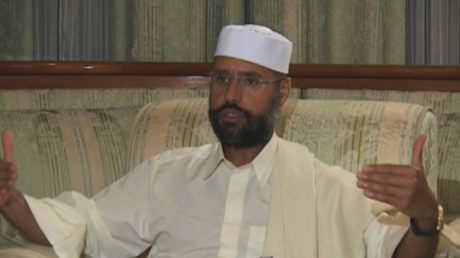
 RT is releasing a 2011 interview with Saif al-Islam Gaddafi, who was assassinated on Tuesday
 Read Full Article at RT.com

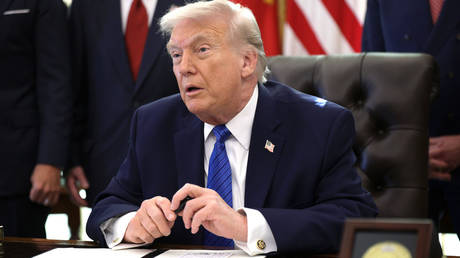 Vladimir Putin kept his promise on a weeklong pause in strikes on Kiev and other major Ukrainian cities, Donald Trump has said
 Read Full Article at RT.com
Towns and cities are home to more than half of the world’s population and responsible for around 70 per cent of the greenhouse gas emissions driving the climate crisis, which is why urban planners in Brazil are leading a design revolution that could point the way to creating built-up areas with a dramatically smaller carbon footprint.


VICTORIA, Seychelles, February 3 (IPS) - The world is entering a decisive period for the future of the ocean. With the High Seas Treaty coming into force and meaningful progress being made on the World Trade Organization Agreement on Fisheries Subsidies, global momentum for stronger marine governance is building. Yet, new pressures linked to the push for deep-sea mining — the extraction of minerals from seabed thousands of meters below the ocean surface — threaten to undermine these gains. To safeguard progress, global decision-making will have to keep pace with such emerging risks. In this context, Africa will host several global discussions in 2026, including those that will shape the ocean’s future, with a series of opportunities for leadership starting with the African Union Summit in February to the Our Ocean Conference in Mombasa, Kenya in June.


BULAWAYO, February 3 (IPS) - British Monarch King Charles says science is the solution to protecting nature and halting global biodiversity loss, which is threatening humanity’s survival.


BULAWAYO, Zimbabwe, February 3 (IPS) - Our food, fuel, and fortunes come from nature, but as these resources are turned into profits, the balance between exploiting and replenishing the planet is ever more precarious.
Read the full story, “Explainer: Why Nature Is Everyone’s Business”, on globalissues.org →


PORTLAND, USA, February 3 (IPS) - The delicate balance of international migration relies on the high demand for labor and the enforcement of stricter immigration controls. This equilibrium is especially crucial when considering the international migration of students and skilled workers.
Read the full story, “The Delicate Balance of International Migration”, on globalissues.org →

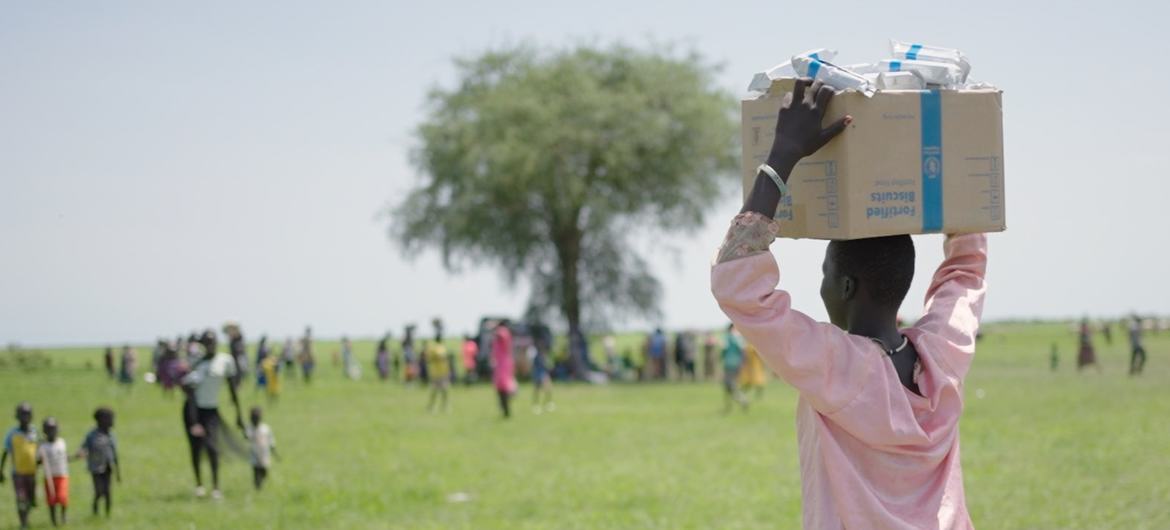
More than 450,000 children in South Sudan are at risk of acute malnutrition as a surge in violence disrupts health and nutrition services, the UN children’s agency (UNICEF) warned on Tuesday.

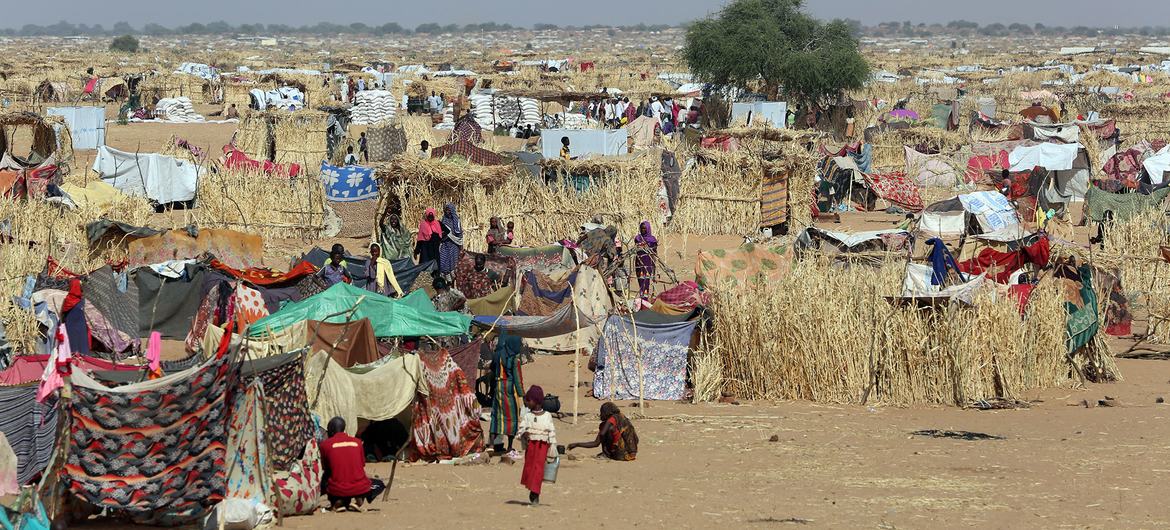
Sudan is now the world’s most severe humanitarian emergency, the UN’s top relief official warned on Tuesday, urging donors and diplomatic partners to act swiftly as the fighting nears a third year with no end in sight.