
 Ukrainian President Vladimir Zelensky’s meeting with US lawmakers has not changed their stance on the new military aid package for Kiev
 Read Full Article at RT.com

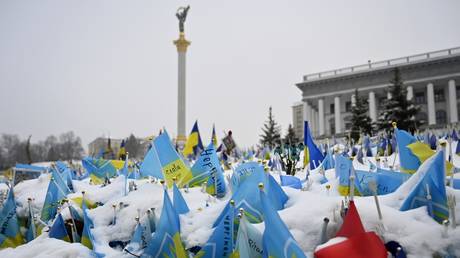 Retired Ukrainian General Sergey Krivonos has warned about growing discontent among the military
 Read Full Article at RT.com

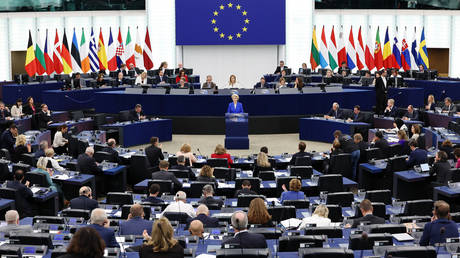 Only a third of EU citizens are in favor of the bloc’s further expansion, a poll has found
 Read Full Article at RT.com

 Dropping water levels at the Panama Canal are disrupting global shipping, Reuters has reported
Read Full Article at RT.com

 The French are switching to less expensive sparkling wines as the price of champagne skyrockets
 Read Full Article at RT.com

 A right-wing Polish lawmaker triggered outrage after using a fire extinguisher to douse a menorah during a Hanukkah ceremony in Warsaw
 Read Full Article at RT.com

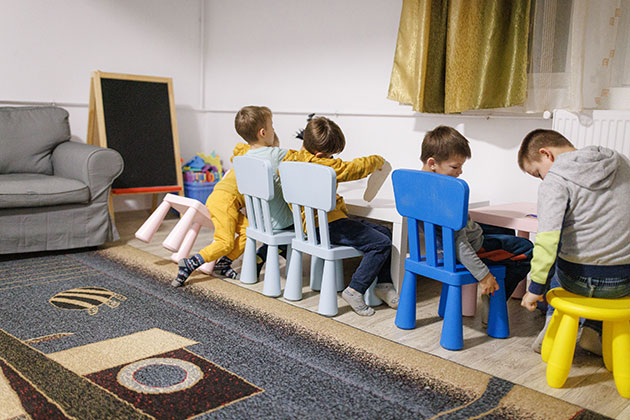
NEW YORK, Dec 12 (IPS) - Child poverty persists even in some of the world’s richest countries, new findings from a UNICEF report reveals.
UNICEF’s Office of Global Insight and Policy’s latest report details the prevalence of child poverty in 39 EU and OECD countries. It reveals the extent of child poverty in these countries and how these cases vary from middle-to-high income countries. Titled Child Poverty in the Midst of Wealth, this report is the latest in the Innocenti Report Card series, which observe children’s well-being in high-income countries. Within these countries, over 69 million children were living in households earning less than 60 percent of the average national income level. Across these countries, there was a reported 8 percent decrease in poverty levels between 2014 to 2021. During this period of relative prosperity, countries took this as an opportunity to address child poverty with varying levels of success. Of the countries assessed for this report, Slovenia, Poland, Finland and Denmark reported child poverty reduction rates that exceeded 30 percent. By contrast, higher-income countries such as the United Kingdom, the United States, Australia and France, reported a high percentage of child poverty, and even saw these rates increase in recent years.

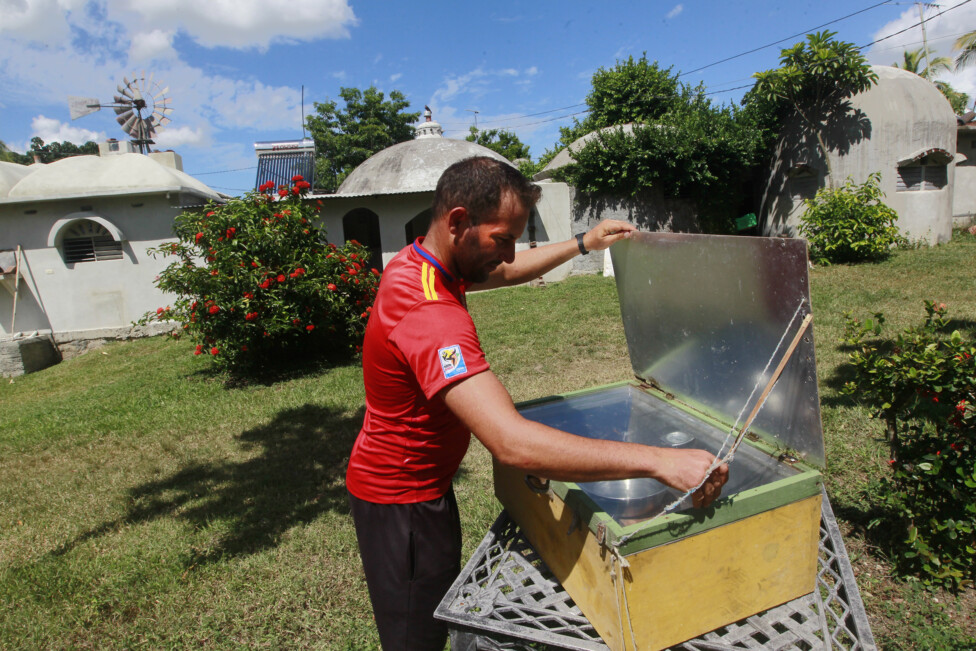
TAGUASCO, Cuba, Dec 12 (IPS) - The combined use of clean energies allows Finca del Medio, a farm in central Cuba, to practice a unique system of family farming production that guarantees self-sufficiency based on permaculture, agroecology and care of the environment.

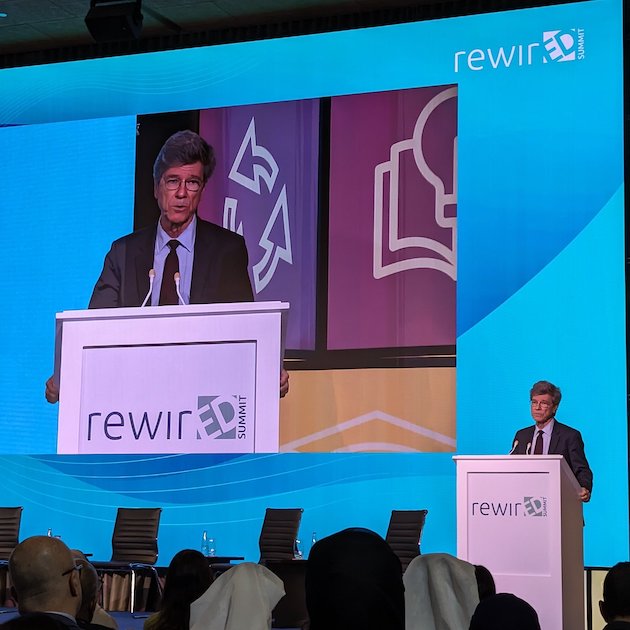
DUBAI, Dec 12 (IPS) - The United State's contribution to the Loss and Damage Fund equals nine minutes of Pentagon spending, says Jeffrey D. Sachs, a world-renowned economist, bestselling author, innovative educator, and global leader in sustainable development.
Half of the world’s population is not fully covered by essential health services and two billion people are impoverished because they must cover medical bills out-of-pocket.