
 Israeli Prime Minister Benjamin Netanyahu outlined his plans for Gaza following the current war with Hamas
 Read Full Article at RT.com
SAN FRANCISCO, USA, Nov 09 (IPS) - The governments of Israel and the United States are now in disagreement over how many Palestinian civilians it’s okay to kill. Last week -- as the death toll from massive Israeli bombardment of Gaza neared 10,000 people, including several thousand children -- top U.S. officials began to worry about the rising horrified outcry at home and abroad. So, they went public with muted misgivings and calls for a “humanitarian pause.” But Israel’s Prime Minister Benjamin Netanyahu made clear that he would have none of it.
Read the full story, “Israels Military Is Part of the U.S. War Machine”, on globalissues.org →

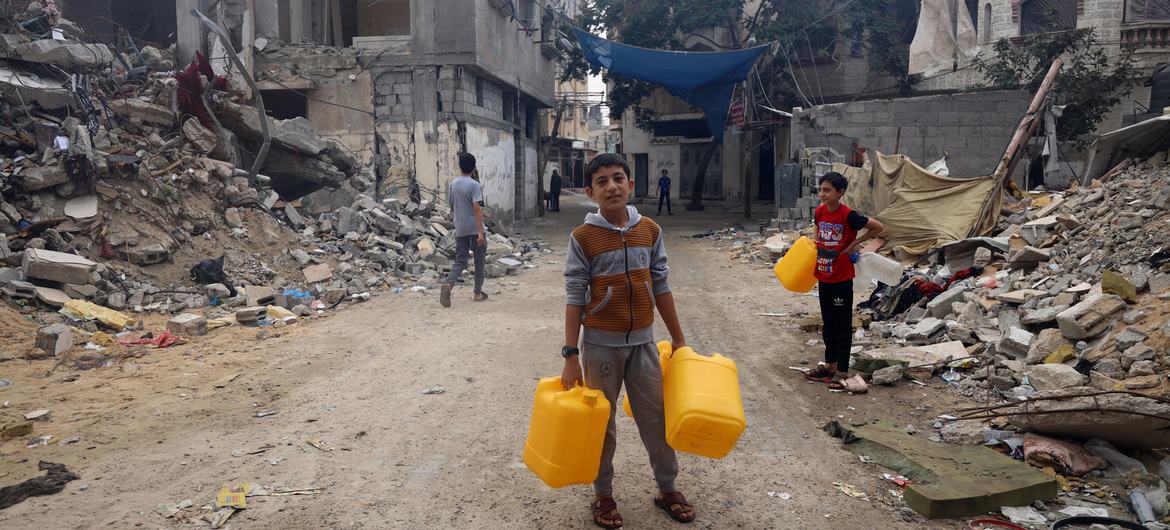
The UN’s top relief official Martin Griffiths travelled to the Paris humanitarian conference on Gaza on Thursday to issue an appeal for a significant break in the fighting there, urging greater protection for displaced civilians.
The International Labour Organization (ILO) is seeking $20 million to respond to the critical needs of hundreds of thousands of Palestinian workers and employers affected by the current conflict between Israel and Hamas.
Read the full story, “$20 million appeal to support Palestine labour market”, on globalissues.org →


Did you know the UN hosts the world’s court of justice? From the pending State-level Ukraine v. Russia case on allegations of genocide to landmark judgments and opinions on everything from climate change to ending colonialism, the International Court of Justice (ICJ) rose from the ashes of the Second World War with the founding of the UN.

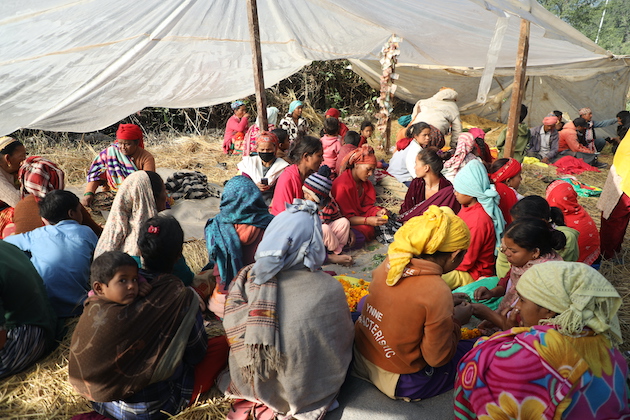
KATHMANDU, Nov 10 (IPS) - Emergency health services are grappling with the enormous challenge of providing essential care to individuals affected by a deadly earthquake that claimed the lives of at least 153 and around 400 people wounded in western Nepal.
Read the full story, “Healthcare Crisis Follows Deadly Earthquake in Nepal”, on globalissues.org →


NEW DELHI, India, Nov 10 (IPS) - For a long time, the agriculture sector has been heralded as a success story for India. Spurred by the Green Revolution, it provided a path-breaking solution to feed the country's burgeoning population starting in the 1960s.