
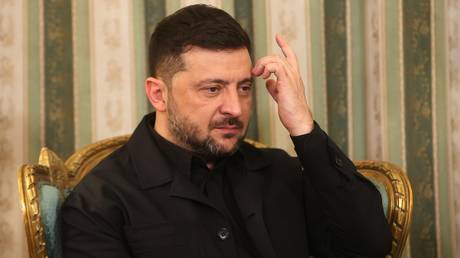
 Ukrainian leader Vladimir Zelensky’s electoral support plunged after his associate, Timur Mindich, was accused of corruption
 Read Full Article at RT.com

 New Delhi says its space industry is projected to grow to $44 billion by 2033
 Read Full Article at RT.com


NEW YORK, November 18 (IPS) - Even as their rights face growing threats, women across the globe are driving progress. From courtrooms to communities, women’s leadership is shaping peace, justice and development—often against the odds. In the face of conflict, exclusion and inequality, we continue to see powerful stories of hope, resilience and change. We are inspired by women who mediate local disputes, push for new laws and champion the rights of survivors, holding communities together.


BELÉM, Brazil, November 17 (IPS) - COP30 negotiations are midway. So far, talks about historic agreements are moving forward, backward, or stalling, depending on who you ask. The most pressing issues on the table are finances, adaptation, fossil fuel phase-outs, and climate justice.


BELÉM, Brazil, November 17 (IPS) - Brazilian Indigenous leader and environmentalist Cacique Raoni Metuktire appealed for support for Indigenous peoples and their land. From the podium of the Peoples’ Summit, Cacique Raoni warned negotiators at the UN climate conference in Belém that without recognizing Indigenous peoples’ land rights, there will be no climate justice.


BELÉM, Brazil, November 17 (IPS) - With the COP30 Presidency prioritizing health at the United Nations climate summit in Belém, African leaders are calling for finance to be channeled towards improving the health systems of developing countries.


BELÉM, Brazil, November 17 (IPS) - Immaculata Casimero, a leader of the Wapichan Women’s Movement, remembers the beauty of the mountains that are cultural sites to her indigenous community in Guyana.


SRINAGAR, India, November 17 (IPS) - In the fertile fields of Jammu’s R.S. Pura, rice farmer Mohd Yaseen Khan stares at a cracked irrigation canal, battered by erratic rainfall. “One day heavy rain, next week a dry spell,” he says, dusting his palms. “Our crop suffers. Our costs rise.”
Read the full story, “Kashmir’s Small Farmers Endless Wait for Climate Justice”, on globalissues.org →


BELÉM, Brazil, November 17 (IPS) - Mutirão first entered the global climate discourse in Ambassador André Corrêa do Lago’s first letter to the world, which was sent in March 2025 as part of his COP30 presidency.


Emerging research on the nexus between climate, peace and security (CPS) supports the integration of climate adaptation and mitigation methods to advance sustainable peace. While climate change itself may not be the direct cause of conflict, its cascading effects such as resource scarcity, displacement, and economic stress could become focal points of tension.